FoSSNet Lund Conference 2026
Resources & Highlights
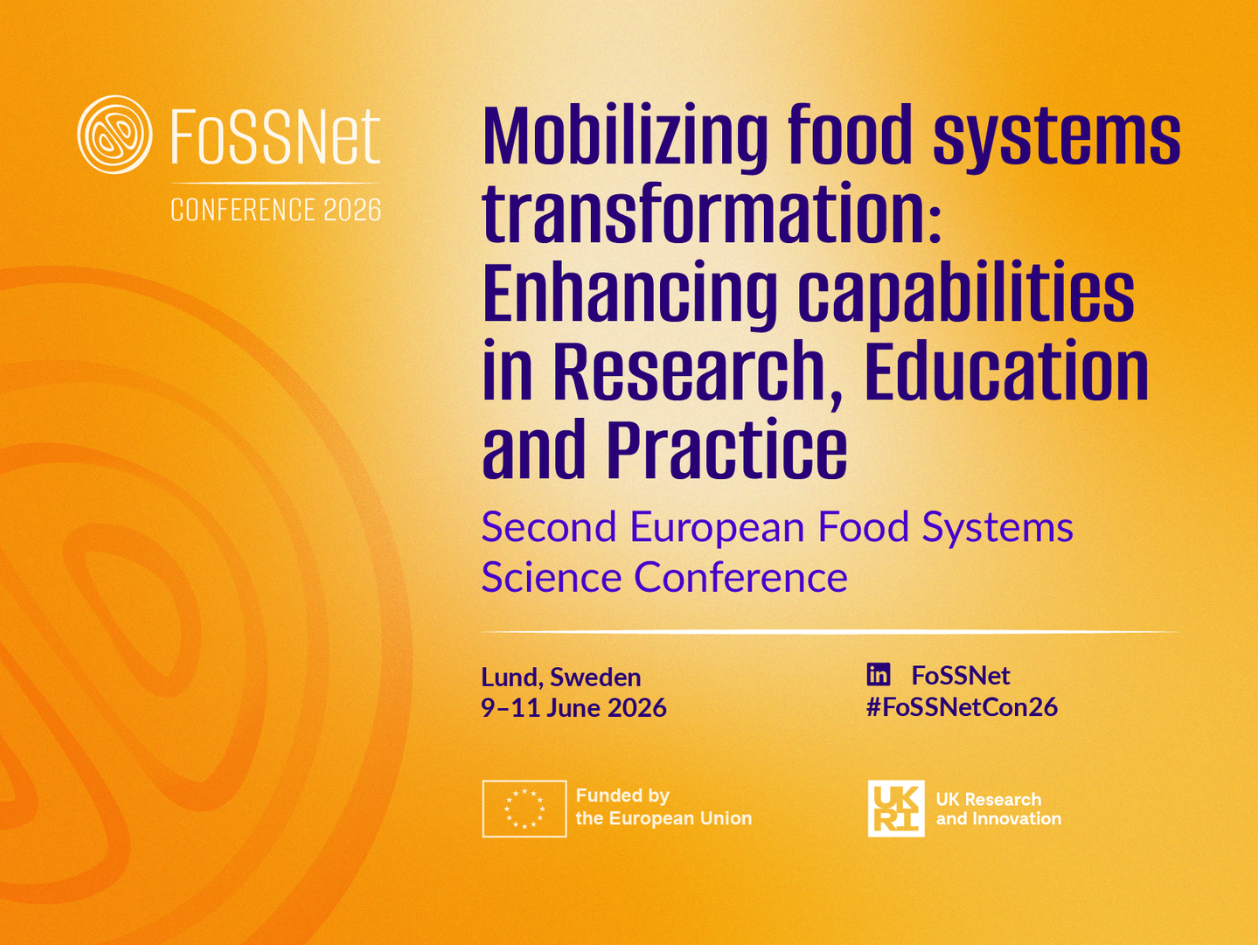
Welcome to the primary resource of information for the Second European Food Systems Science Conference “Mobilizing food systems transformation: Enhancing capabilities in Research, Education and Practice” held in Lund, on the 9th – 11th June 2026.
Here you will find a collection of event materials, including session descriptions, speakers, presentations and key takeaways. To extend the conversation beyond the event, these resources have been designed to support ongoing collaboration and knowledge exchange between both attendees and those exploring the content after the conference.
Explore the full conference programme, day by day – or go directly to the session you’re looking for:
- Stream 1: Food Systems Science for Food Systems Transformation
- Stream 2: Transformative Actions – Learning from Best and ‘Worst’ Practices
- Stream 3: Advancing Food Systems Literacy
Discover the Network for Food Systems Transformation Research and become a member!
Day 1 – 9th June 2026
Stream 1: Food Systems Science for Food Systems Transformation
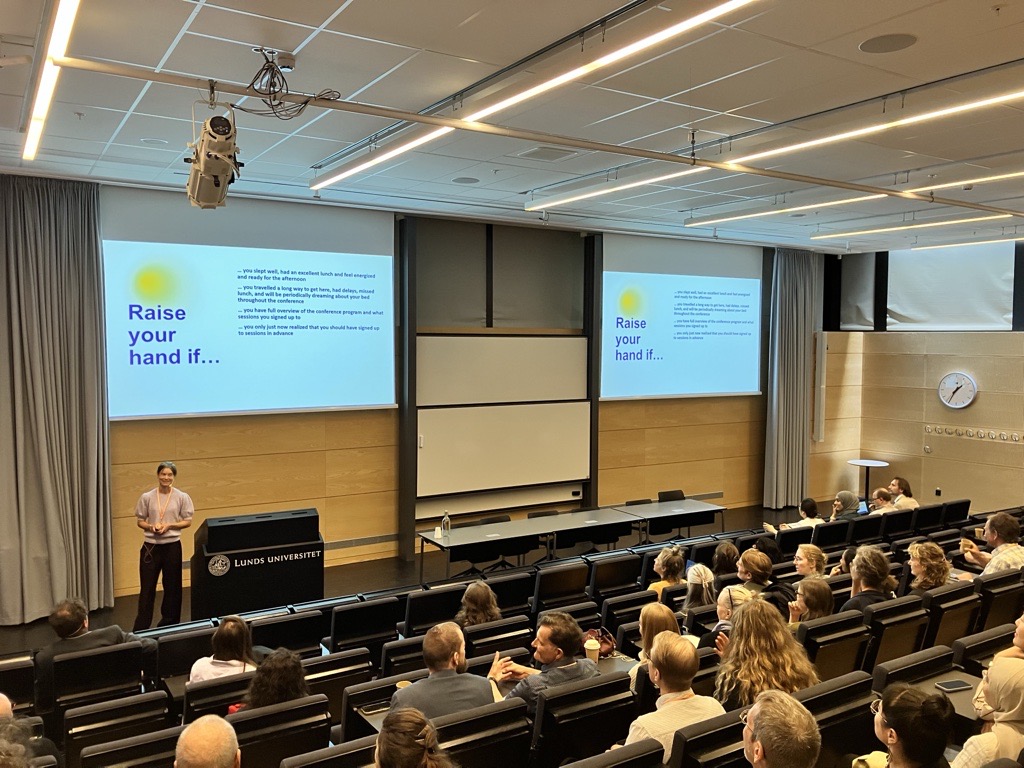
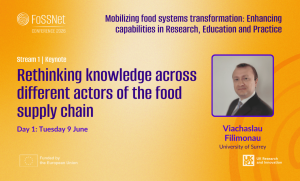
The first day of the FoSSNet Lund Conference focused on Food Systems Transformation, particularly challenging the assumption that it is solely a matter of producing scientific knowledge. This set the tone for the discussions that followed throughout the day.
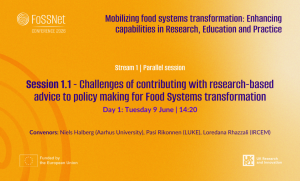
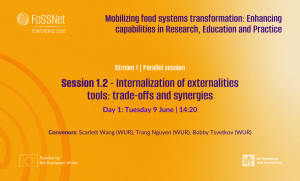
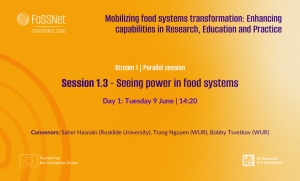
Across the sessions, speakers explored a range of challenges and emerging approaches that could potentially re-connect scientific knowledge with lived experiences and sustainability action. From designing more inclusive science policy society interfaces and accounting for externalities to employing participatory visual methods in food systems research and exploring ways to design and measure transformation, the discussions highlighted the importance of a more collaborative and inclusive approach to food systems transformation.
Click the images to view the corresponding presentations. Where the presentation could not be published, the title and presenter names are provided if you’d like to learn more.
Day 2 – 10th June 2026
Stream 2: Transformative Actions – Learning from Best and ‘Worst’ Practices
The second day was dedicated to transformation processes and the question of how to move from ambitious pathways and goals to on-the-ground action. The aim was to deepen understanding of what works and what does not across different food system transformation cases.
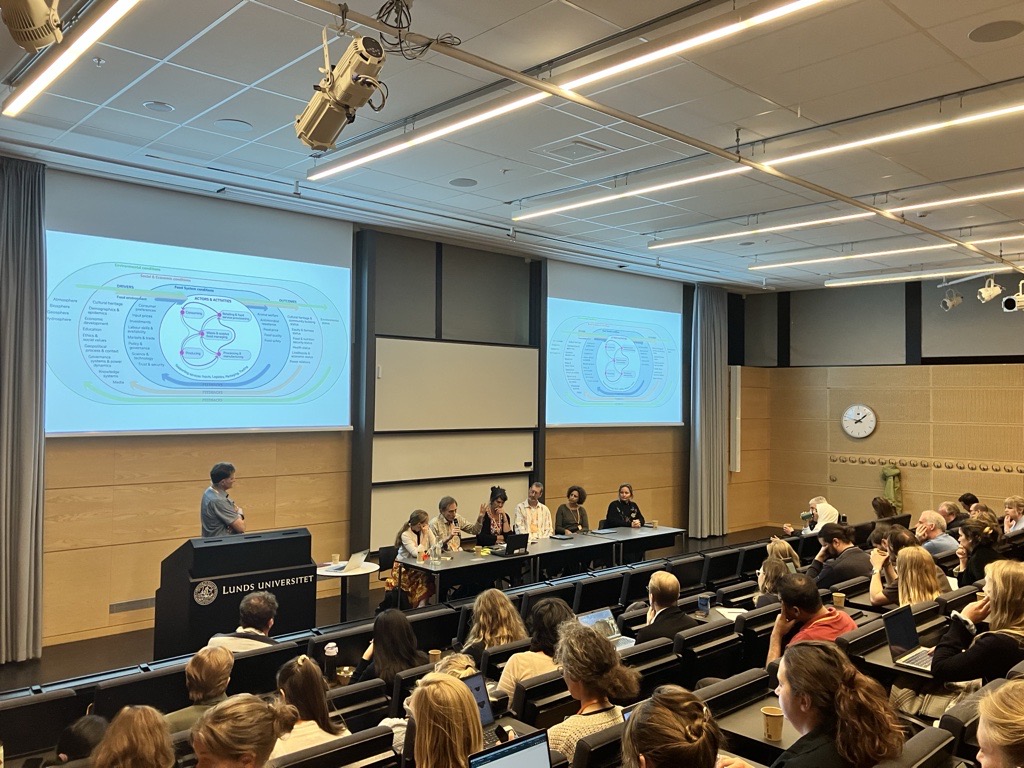
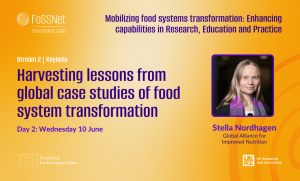
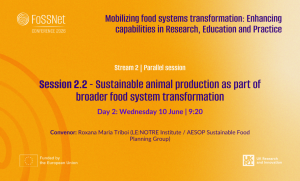
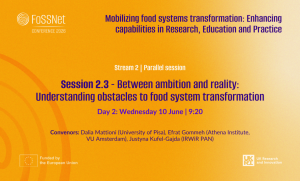
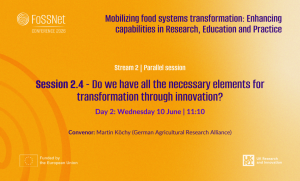
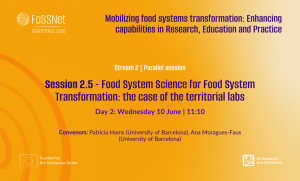
Drawing on global case studies on food system transformation in practice, the programme explored a range of perspectives, including plant-based transformation pathways from Canada to Denmark, with insights from the PlantsGoGlobal project. Place-based alternatives to sustainable animal production were also widely discussed together with everyday realities that shape transformation, such as food culture, taste and cooking practices. Participants also had the chance to take part in the session that covered the framework for innovation, highlighting gaps in policy translation and mismatch between innovation narratives and reality. The role of territorial labs as transdisciplinary spaces for advancing food system transformation from a territorial perspective was also discussed.
The discussions emphasized that there is no clear definition of food systems transformation. However, by identifying the drivers of change, it may be possible to better understand how experiences can be translated and adapted across different settings.
Click the images to view the corresponding presentations. Where the presentation could not be published, the title and presenter names are provided if you’d like to learn more.
Day 3 – 11th June 2026
Stream 3: Advancing Food Systems Literacy
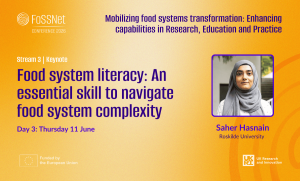
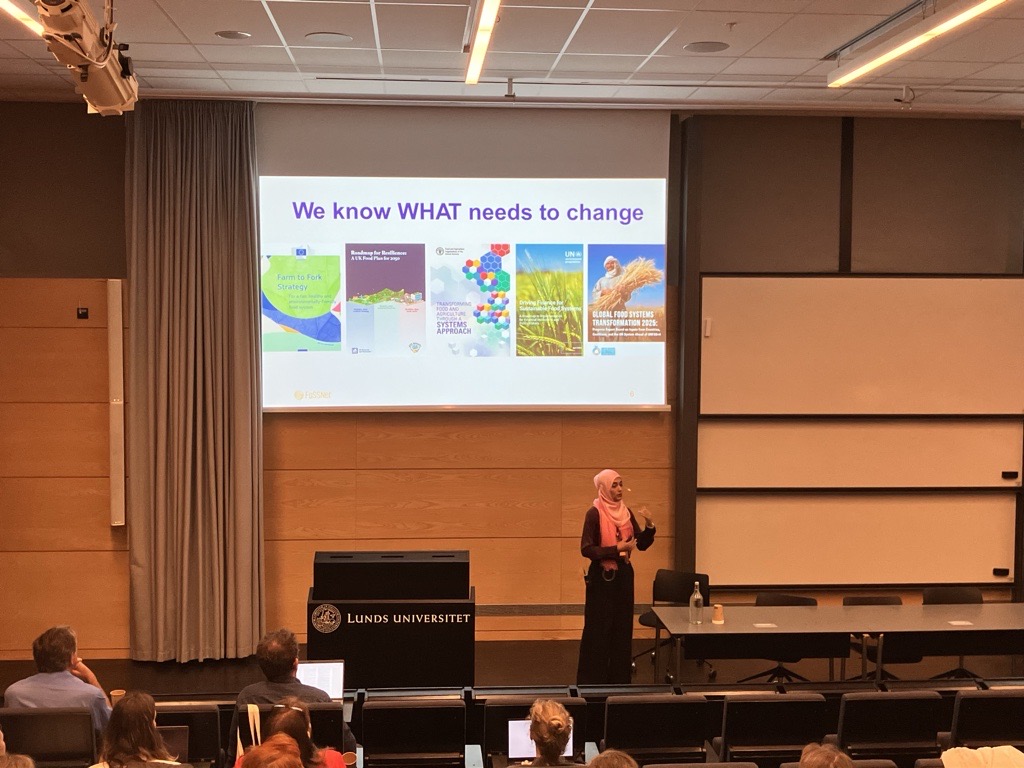
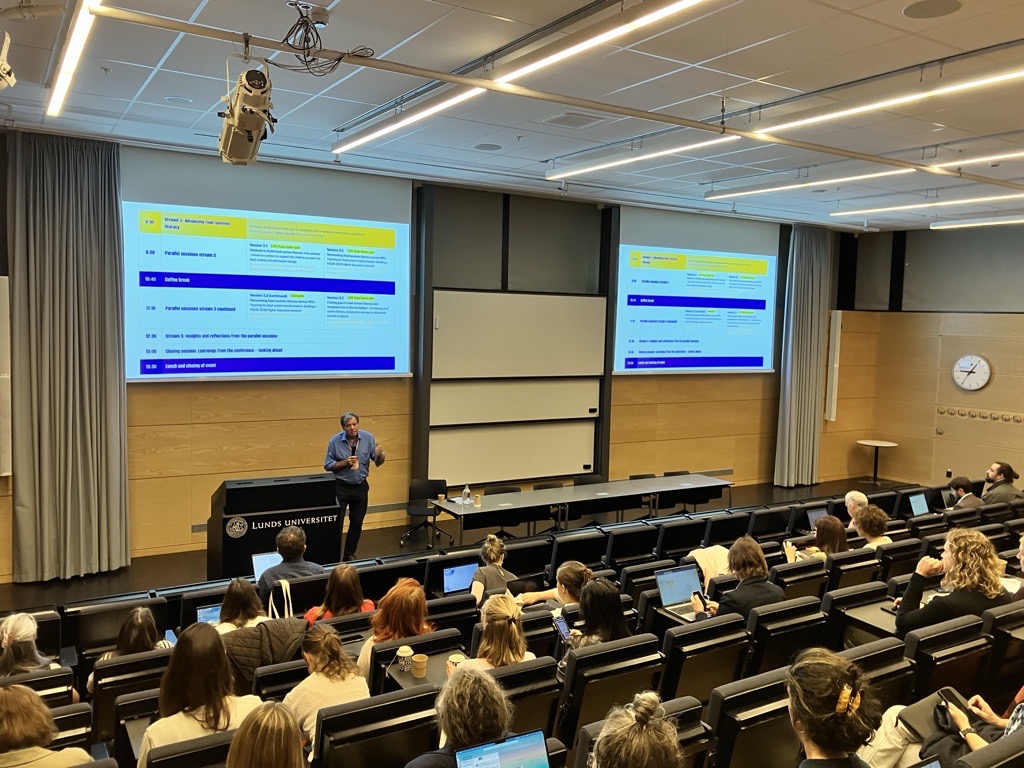
The final day of the Conference focused on advancing food systems literacy. A key message from the keynote presentation was that those driving and shaping food system transformation should have a good understanding of how food systems work, how different components interact, and how actions taken in one area can have unintended consequences elsewhere. Developing food systems literacy is therefore critical for enabling informed action and supporting an effective transition towards more sustainable food systems.
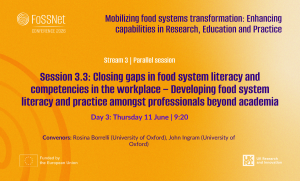
Discussions highlighted the need to integrate food systems literacy across all stages of education and professional development. This includes building on existing initiatives in schools, supporting children as actors in food systems transformation, strengthening collaboration through a pan-European higher education network, and enhancing food systems knowledge and practice among professionals beyond academia.
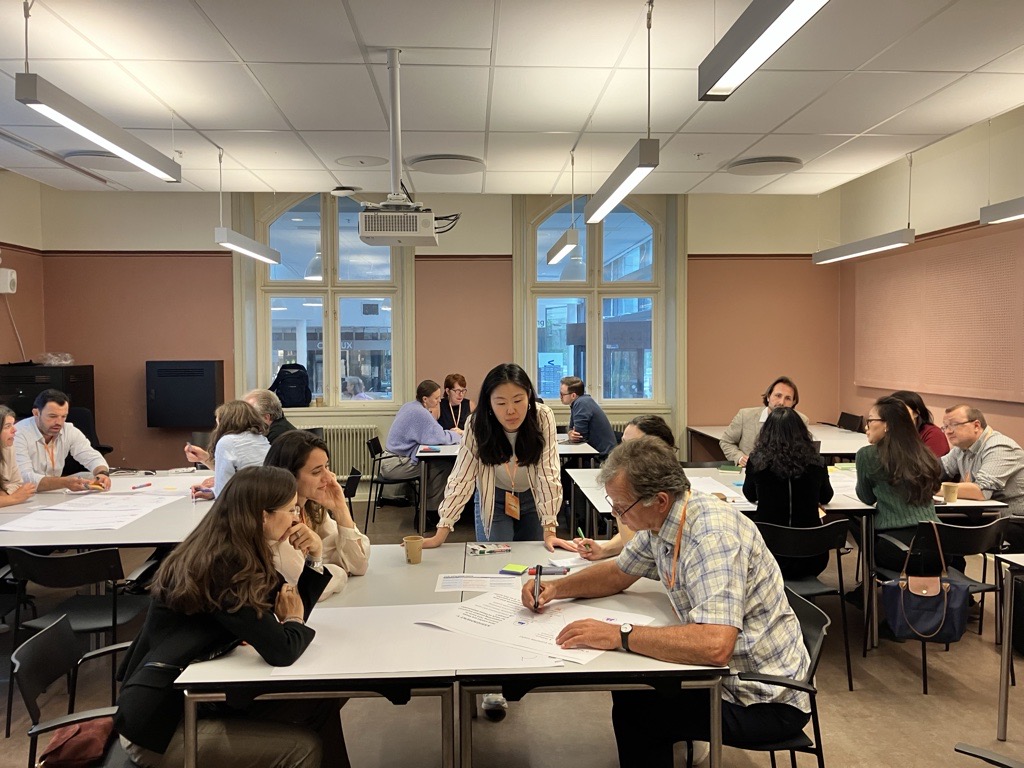
Participants actively contributed to shaping a pan-European higher education network and identified capability gaps that could enhance food systems literacy in the workplace. FoSSNet was presented as a platform for continuous learning and exchange across sectors.
Click the images to view the corresponding presentations. Where the presentation could not be published, the title and presenter names are provided if you’d like to learn more.