
News | 7 July 2026 | Article
How to approach Agroecological Initiatives for Food Systems Transformation?
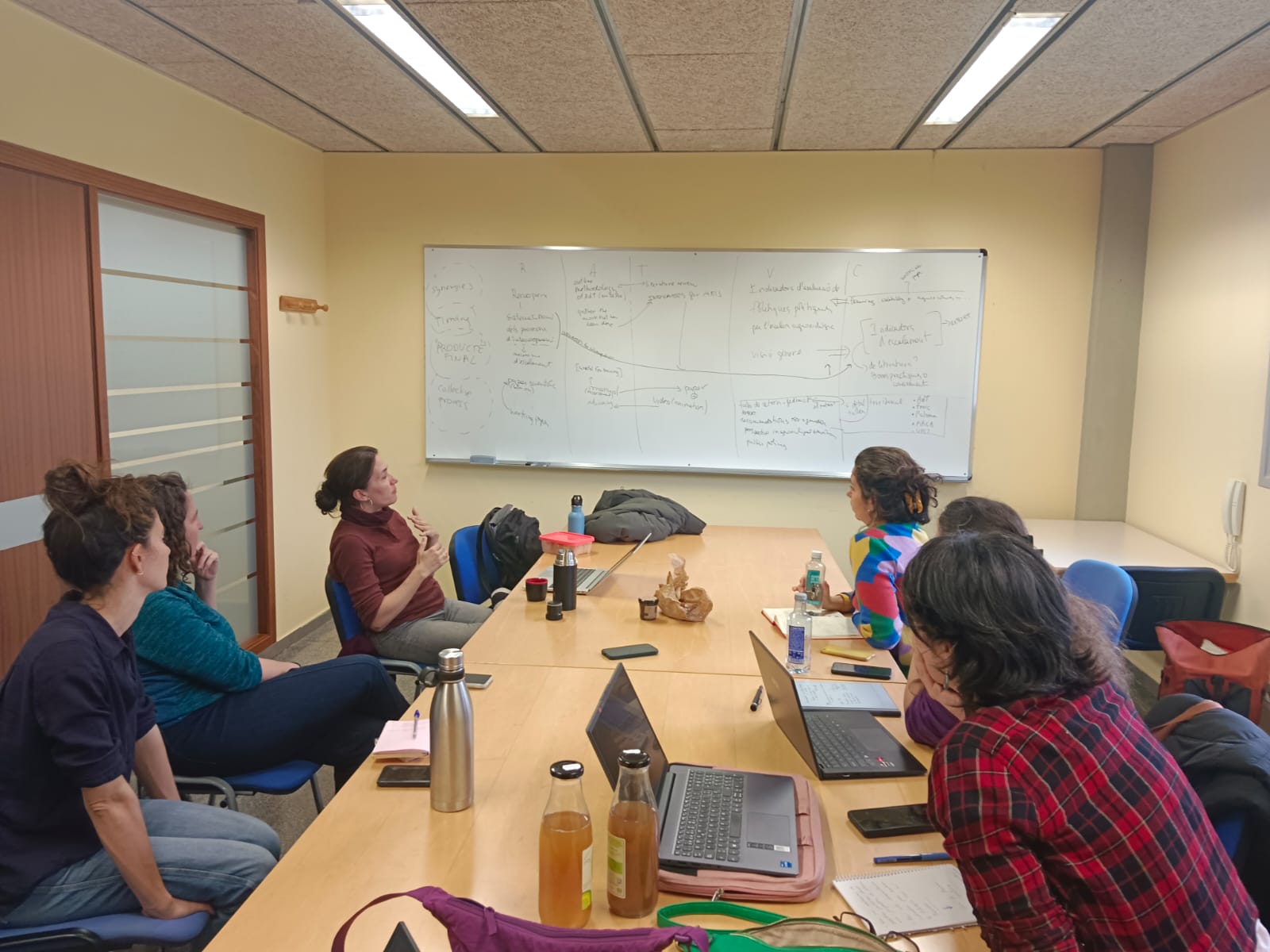
Insights from the in-person meeting of the Catalan territorial lab (University of Barcelona, Spain)
FoSSNet territorial and systemic labs
Territorial and systemic labs in FoSSnet are knowledge-society-policy interfaces that aim to transform food systems from a place-based perspective. This includes understanding the dynamics of food systems in a specific territory, mapping the research needs and knowledge gaps and providing co-created responses in order to transform food systems into more sustainable and more just forms.
The work of the labs is supported by the FoSSNet Knowledge Hub, composed of 20 experts who provide complementary contributions and solutions to the scientific challenges and knowledge gaps identified within FoSSNet.
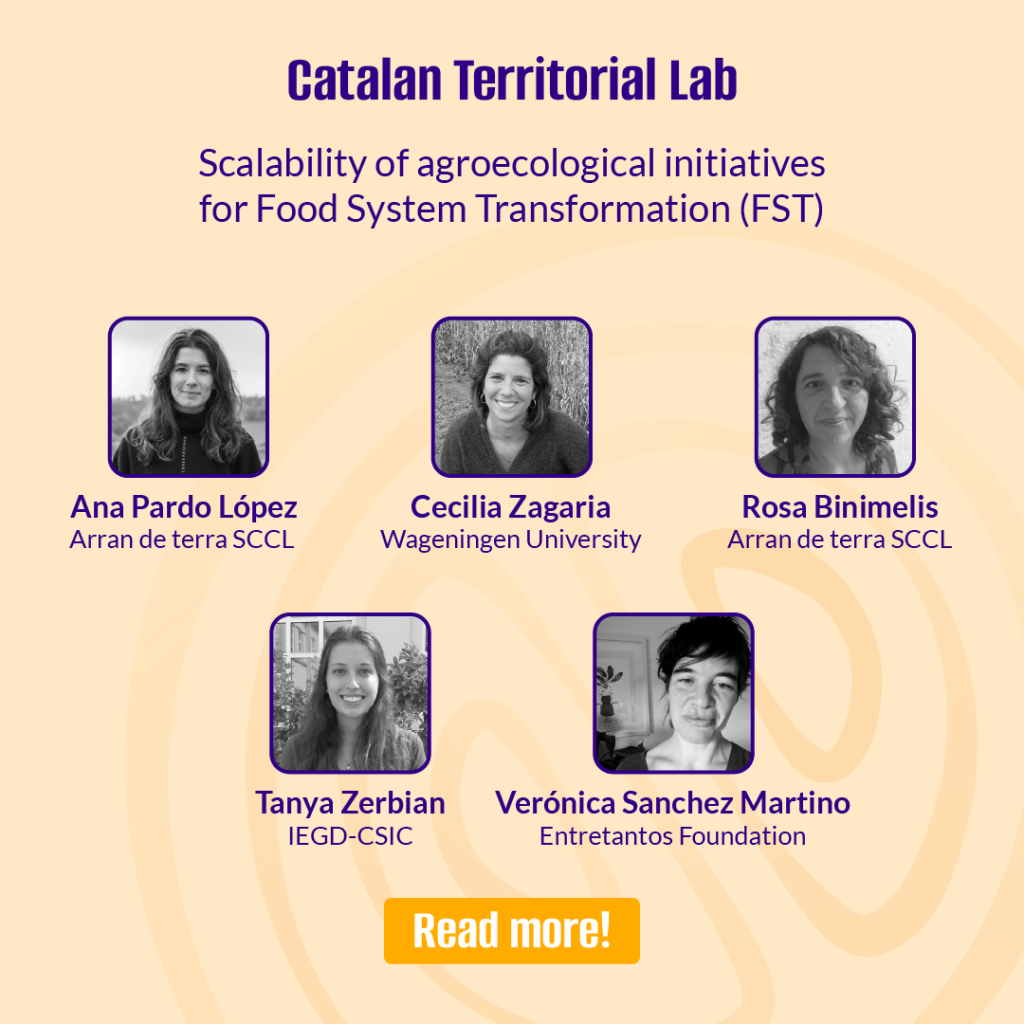
The Catalan Territorial Lab is actively involved in exploring the Scalability of Agroecological Initiatives for Food Systems Transformation (FST), with a focus on pathways towards sustainability, social justice and health in FST.
Food systems today face significant economic, environmental, social, and political challenges. Agroecology has emerged as a key pathway for fostering resilience, sustainability, and equity in food systems. Scaling agroecological practices thus requires adopting a systemic food systems perspective.
Although numerous agroecological initiatives exist in Catalonia, their long-term sustainability and capacity to scale remain limited. FST processes are rarely linear; rather, they are complex and multidimensional involving diverse actors, shifting practices, and new organizational forms. Understanding these transitions remains a challenge due to their diversity, territorial limits, and the broadening scope of agroecology as it connects environmental, social, and economic goals.
Collecting evidence on scaling processes, enablers and barriers is essential for informing public policies and ensuring that agroecology can make a meaningful contribution to food systems transformation across Europe.
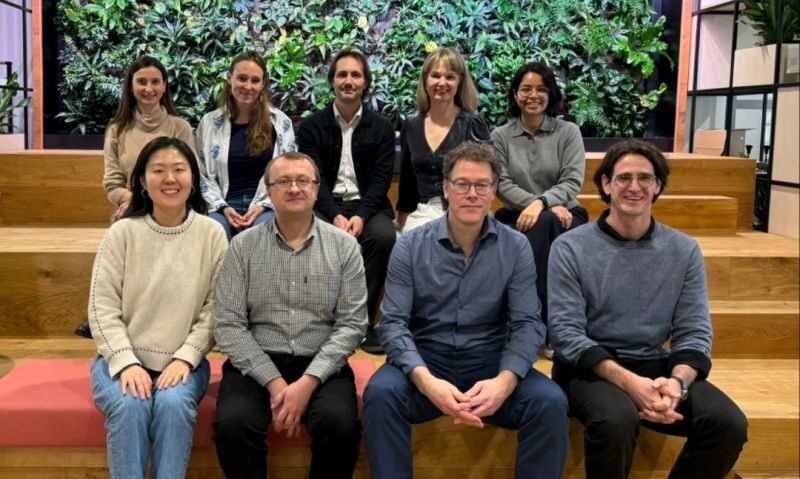
Building on earlier discussions around priorities for future collaboration on agroecological transitions, experts from the Catalan Territorial Lab met in-person with members of the Catalan Knowledge Hub to align research proposals with the territorial needs and identified research gaps.
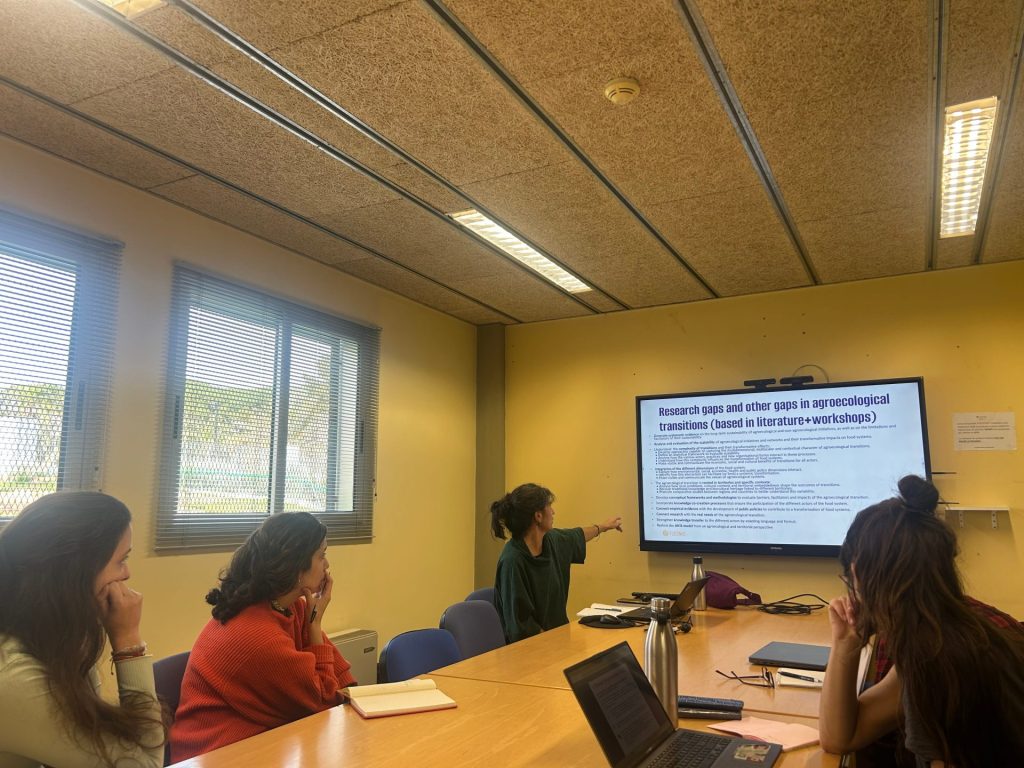
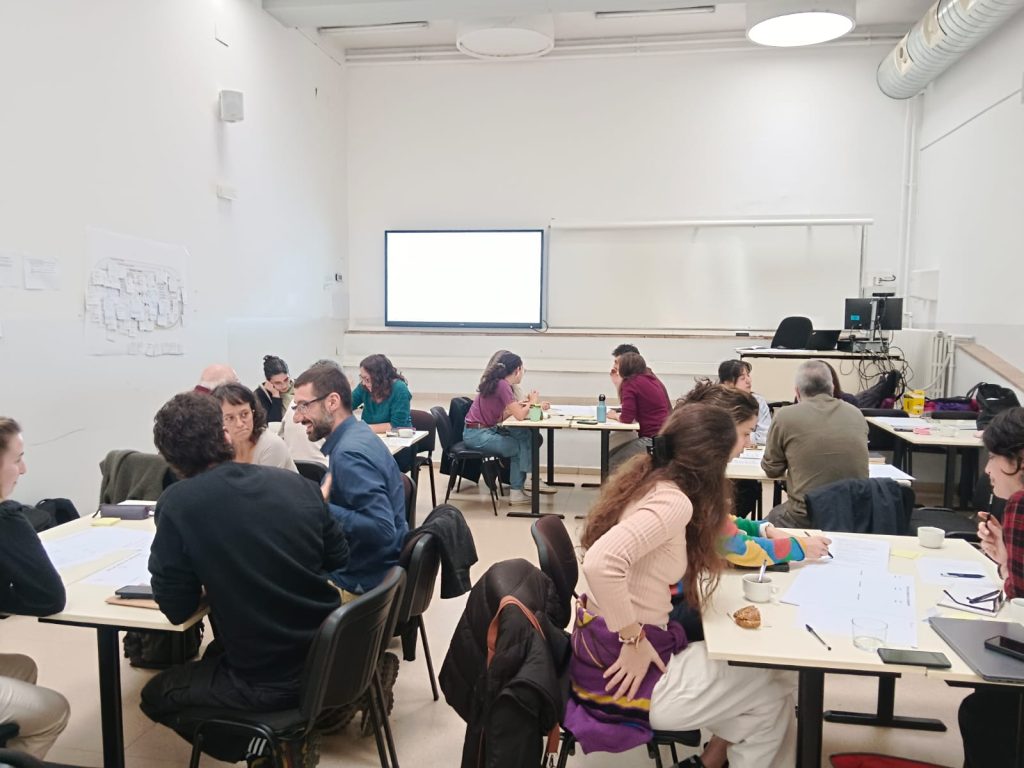
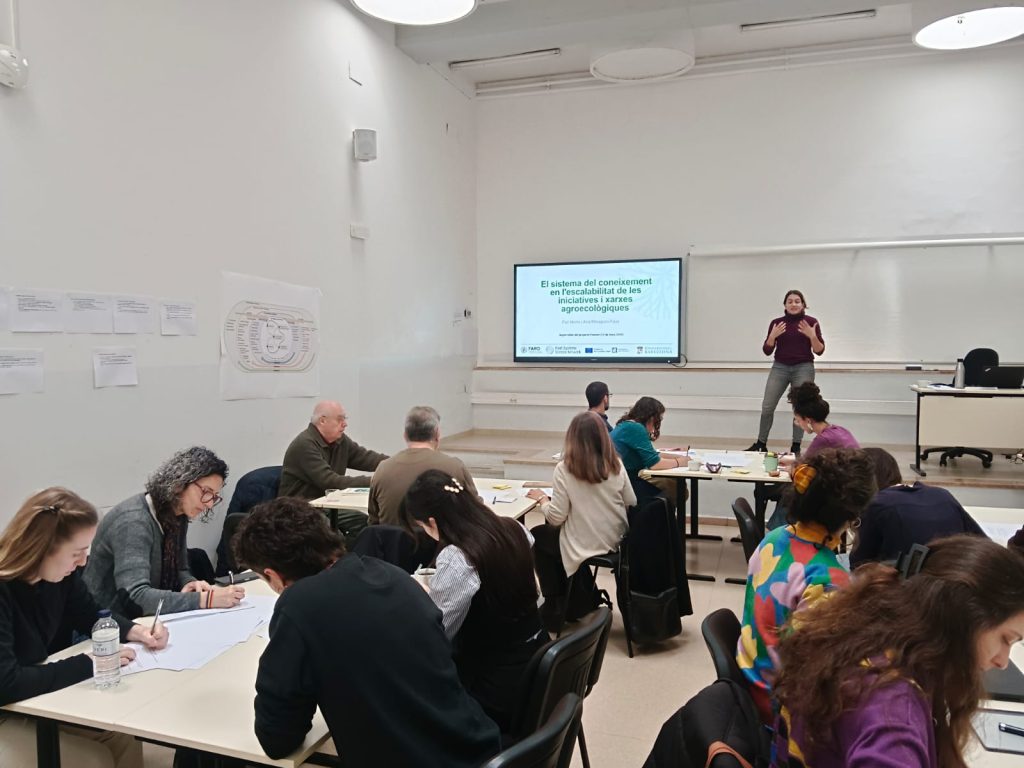
During the meeting they focused on the need to improving understanding of how knowledge is produced in agroecological transitions, how facilitation processes can be systematised and how indicators can be developed to assess impacts and public policies. The integration of a feminist perspective was also highlighted along agroecological transitions.
Other news

October 15, 2026Article
Shaping the Future of Food: Is Europe Ready to Educate the Next Generation of Food Systems Changemakers?
The Systemic Lab is focusing on exploring how pricing and reward guided by True Cost Accounting can help address hidden social and environmental sustainability impacts in the food system.
July 16, 2026Article
How True Cost Accounting can inform decision-making in food systems?
The Systemic Lab is focusing on exploring how pricing and reward guided by True Cost Accounting can help address hidden social and environmental sustainability impacts in the food system.
July 7, 2026Article
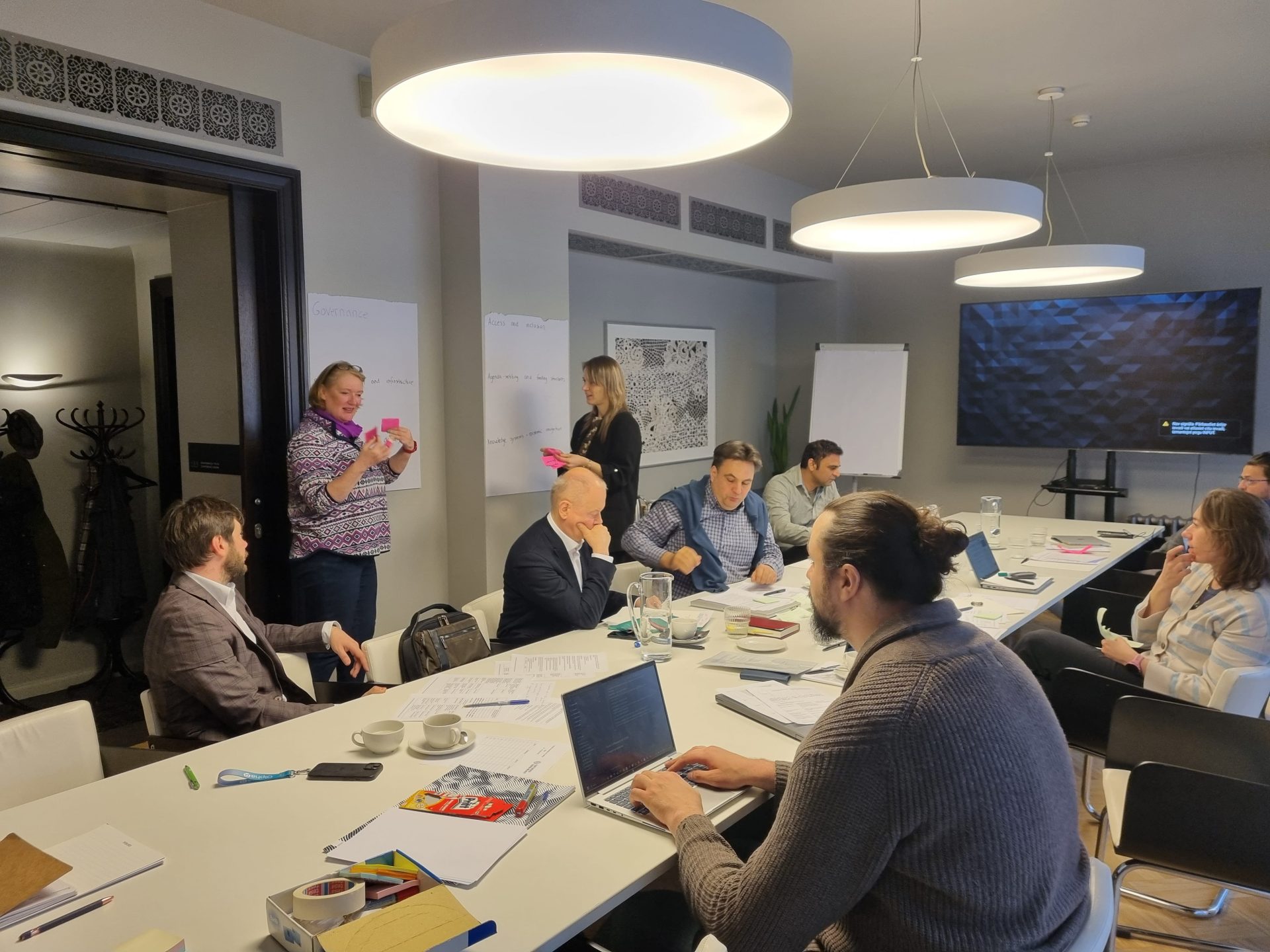
What are the Leverage Points for an Inclusive Food-Oriented Knowledge & Innovation System?
The Riga territorial lab explores how inter- and transdisciplinary collaboration can drive food systems transformations.