
News | 16 July 2026 | Article
How True Cost Accounting can inform decision-making in food systems?
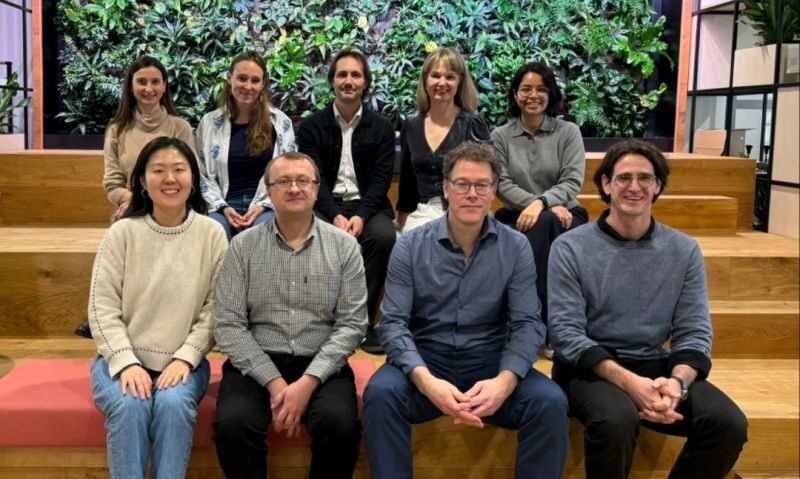
Insights from the in-person meeting of the Systemic Lab (World Trade Centre, Netherlands)
FoSSNet territorial and systemic labs
Territorial and systemic labs in FoSSnet are knowledge-society-policy interfaces that aim to transform food systems from a place-based perspective. This includes understanding the dynamics of food systems in a specific territory, mapping the research needs and knowledge gaps and providing co-created responses in order to transform food systems into more sustainable and more just forms.
The work of the labs is supported by the FoSSNet Knowledge Hub, composed of 20 experts who provide complementary contributions and solutions to the scientific challenges and knowledge gaps identified within FoSSNet.
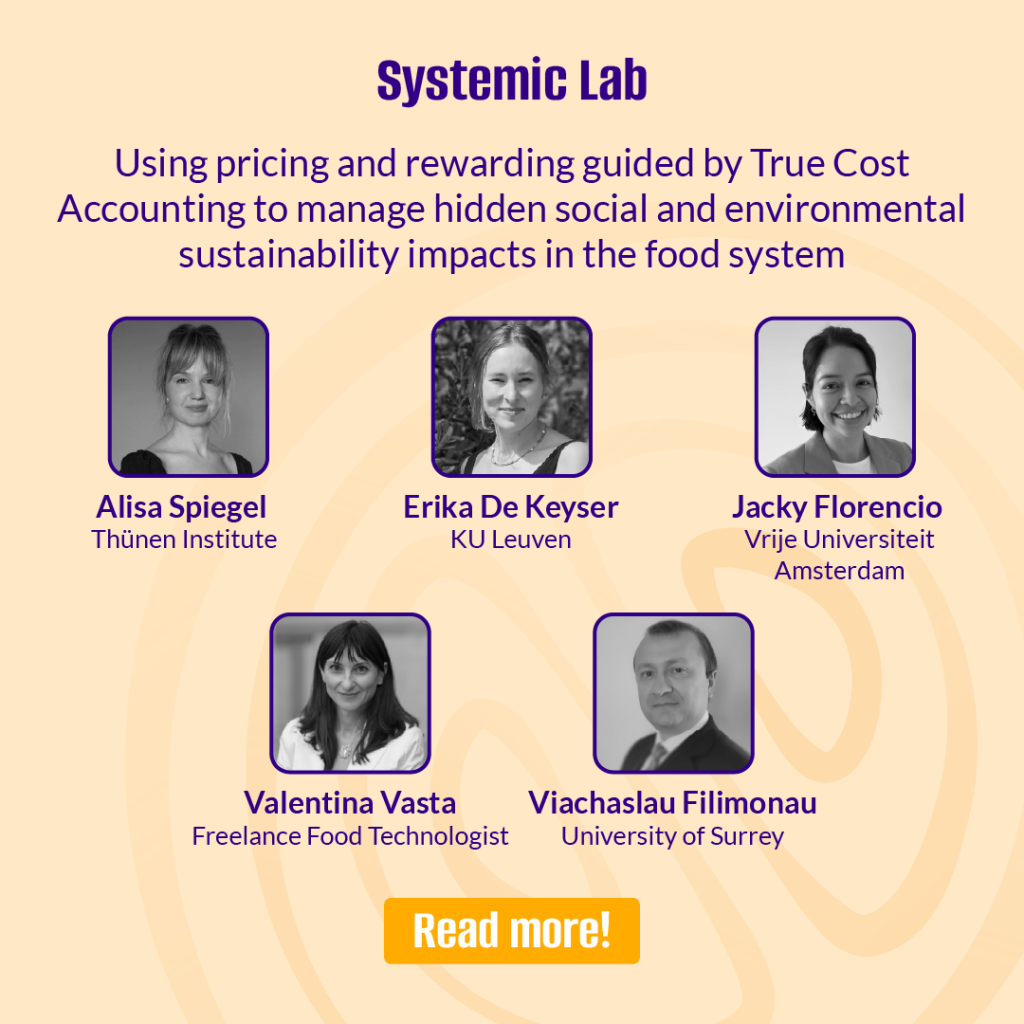
The Systemic Lab is focusing on exploring how pricing and reward guided by True Cost Accounting (TCA) can help address hidden social and environmental sustainability impacts in the food system. TCA is a method used in food system research that looks beyond the price tags of food products by including hidden costs and positive externalities. The objective is to develop a dashboard, strategic action plan, and knowledge agenda for using pricing and rewarding guided by TCA to manage hidden social and environmental sustainability impacts in the food system.
At a time when unsustainable practices continue to make healthy diets expensive and inaccessible for many, there is an urgent need for better understanding of the hidden economic, social, and environmental costs. Recognising these ‘hidden costs’ is essential for shaping policies and practices that support healthier populations and more sustainable food systems.
The experts met in person to address the topic of a mixed-methods approach combining conceptual work, literature review, and empirical research, including behavioural experiments (e.g. canteen interventions), interviews with supply chain actors and policymakers, and analysis of existing corporate and policy initiatives.
Key priorities included keeping the research feasible within available resources while ensuring strong scientific output, strengthening stakeholder engagement and linking product-level insights with broader food system transformation and governance.
As agri-food systems play a central role in society, addressing these hidden costs is critical. Doing so can empower individuals, businesses, governments and communities to recognise challenges, as opportunities for meaningful and lasting change.
Other news

October 15, 2026Article
Shaping the Future of Food: Is Europe Ready to Educate the Next Generation of Food Systems Changemakers?
The Systemic Lab is focusing on exploring how pricing and reward guided by True Cost Accounting can help address hidden social and environmental sustainability impacts in the food system.
July 7, 2026Article
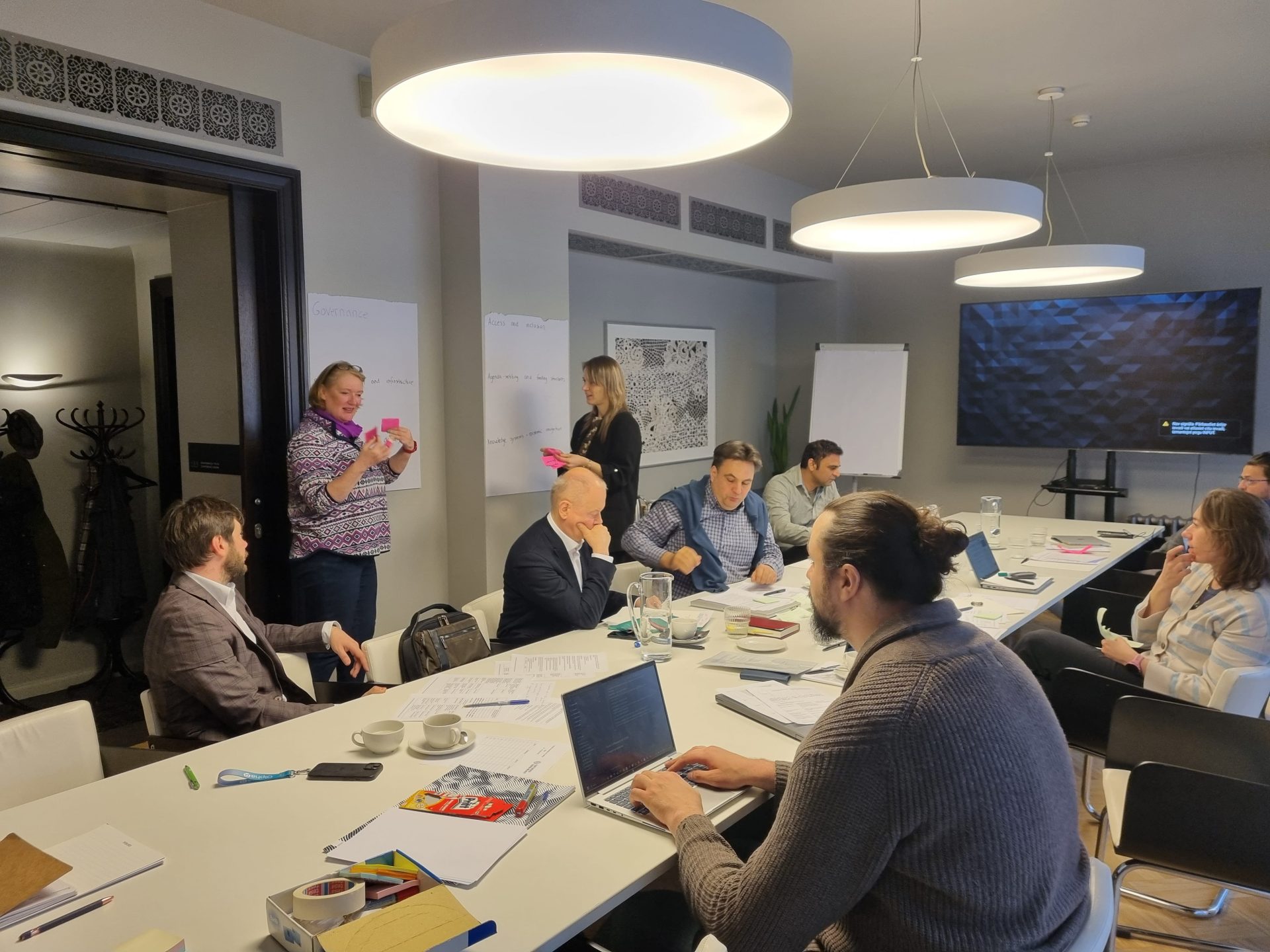
What are the Leverage Points for an Inclusive Food-Oriented Knowledge & Innovation System?
The Riga territorial lab explores how inter- and transdisciplinary collaboration can drive food systems transformations.
July 7, 2026Article
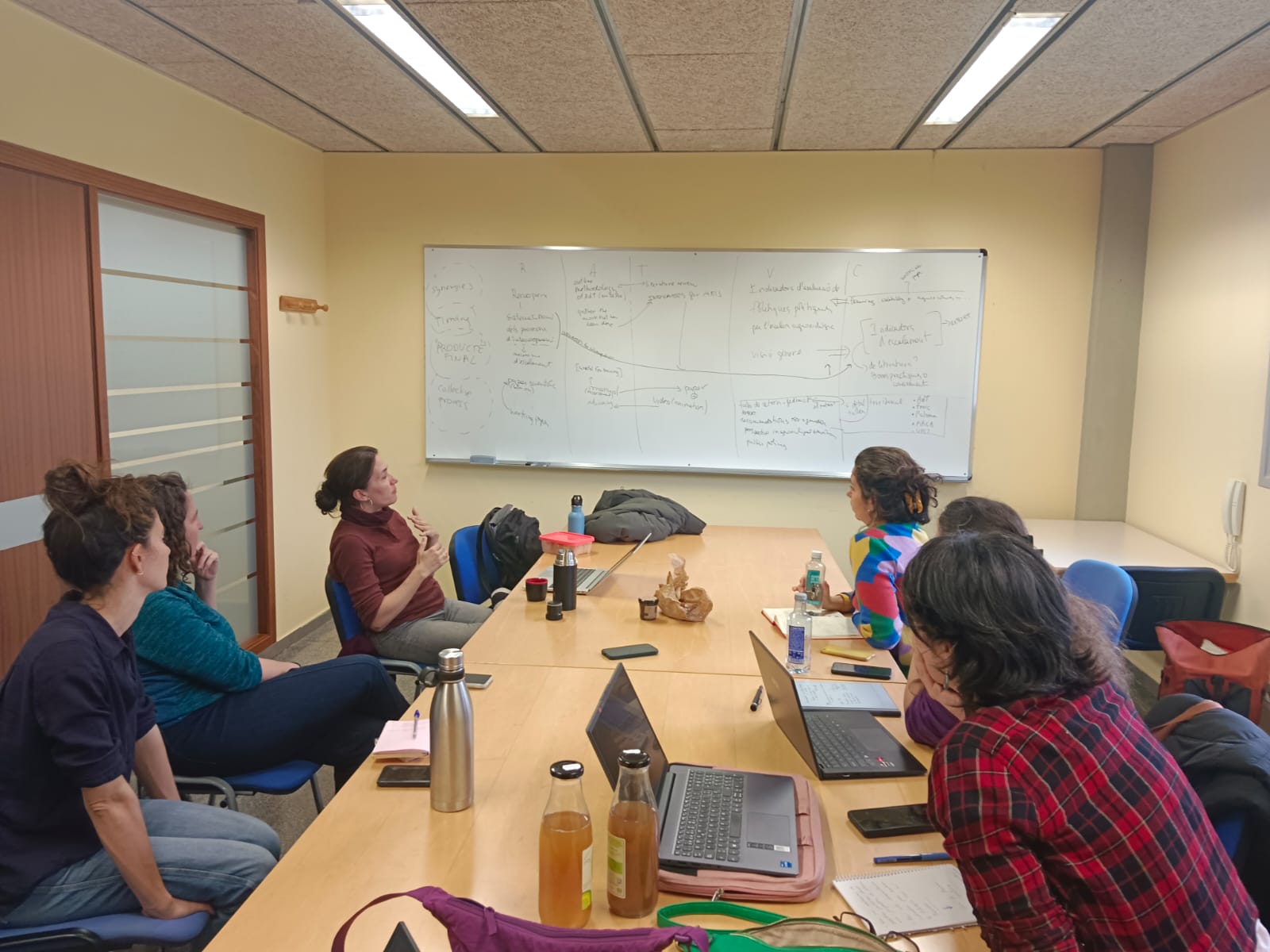
How to approach Agroecological Initiatives for Food Systems Transformation?
The Catalan Territorial Lab is actively involved in exploring the Scalability of Agroecological Initiatives for Food Systems Transformation.