
News | 31 July 2025 | Article
Social Network Analysis: Initial Results
This milestone report, “Social Network Analysis of the European Network for Food Systems Science – Initial Results,” presents the findings from the first phase of FoSSNet comprehensive social network analysis (SNA). The report is structured to present the SNA methodology employed, detail the makeup of the identified FoSSNet network, analyze existing collaborations, pinpoint identified gaps, and conclude with the implications of these initial findings and the planned next steps for continued data collection through further surveys and workshops
Short Highlights
Through the application of social network analysis, we begun to map how “food systems thinkers” are connected within a nascent European network for Food Systems Science (FoSSNet). Our study aims to understand not only these connections but also the flow of information, resources, and influence across the network. The initial results indicate a potential community of over 200 individuals from more than 130 organizations across 30 countries. This diverse group demonstrates significant engagement, having worked on over 120 projects and participated in over 130 related networks.
Beyond mapping connections, a key aspect of this initial analysis was to identify factors affecting network functionality. Our findings highlight six distinct barriers to effective collaboration and communication within the FoSSNet network:
- Lack of bridges between and within communities.
- Vulnerable Hub-driven Network.
- Lack of Collaboration beyond Research.
- Limited Engagement beyond Academia.
- Limited role of earlier career researchers.
- Uneven geographical coverage.
For a detailed overview of findings we invite you to read our report:
Other news

October 15, 2026Article
Shaping the Future of Food: Is Europe Ready to Educate the Next Generation of Food Systems Changemakers?
The Systemic Lab is focusing on exploring how pricing and reward guided by True Cost Accounting can help address hidden social and environmental sustainability impacts in the food system.
July 16, 2026Article
How True Cost Accounting can inform decision-making in food systems?
The Systemic Lab is focusing on exploring how pricing and reward guided by True Cost Accounting can help address hidden social and environmental sustainability impacts in the food system.
July 7, 2026Article
What are the Leverage Points for an Inclusive Food-Oriented Knowledge & Innovation System?
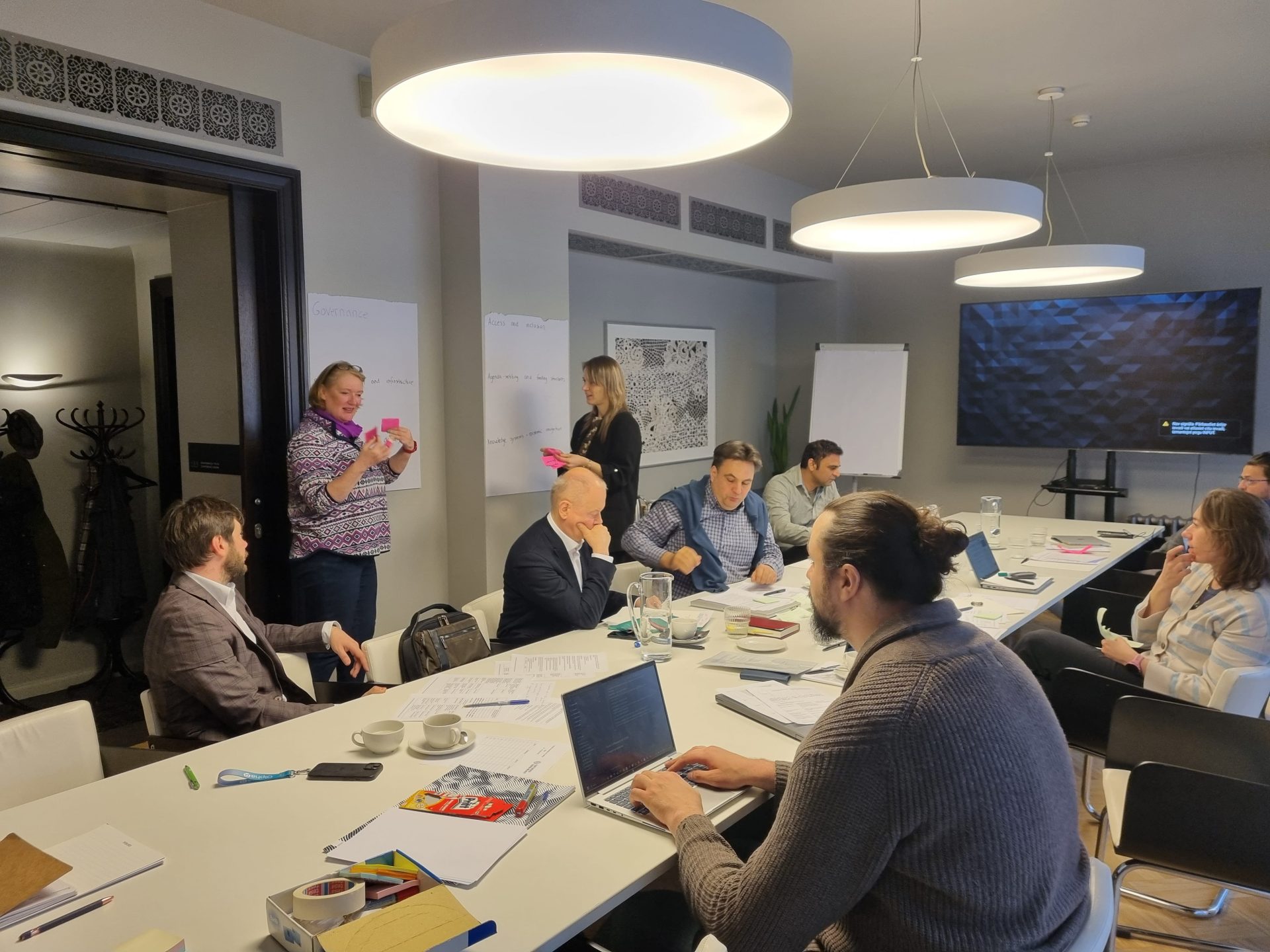
The Riga territorial lab explores how inter- and transdisciplinary collaboration can drive food systems transformations.