
News | 20 February 2026 | Article
Bridging gaps in food systems research: highlights from the FoSSNet Winter School
Fostering multidisciplinary collaboration among early-career researchers to design solutions for complex food systems challenges.
From January 12 to 30, 2026, early-career researchers gathered online for the FoSSNet Winter School, a three-week intensive course, designed to help them think differently about food systems research and its role in the world. Titled “Applying research-based solutions for complex food system challenges,” the programme drew nutritionists, agricultural economists, supply chain specialists, and environmental scientists. Some worked in universities, others in NGOs, startups, or industry R&D. Most had never met. Many didn’t share a discipline, let alone a vocabulary.
The Winter School co-created by EIT Food, the University of Oxford, Lund University, and Roskilde University. The programme was built on a particular premise: that food systems literacy is about understanding why people see and act on food systems so differently. The lack of shared language was the point.
“Because people from different backgrounds and places see and act on the same food system in different ways, the Winter School brought together a diverse group to work on shared challenges, creating a space to explore the role of research as a vehicle for systemic and entrepreneurial impact”. Cecilia Tonelli, Programme Manager Education – European projects, EIT Food.
Below pictures taken from the online sessions of the Winter School which show some of the content and methodologies applied including Miro board for group exercise and the BATWOVE exercise. BATWOVE is a core element of Soft Systems Methodology (SSM), used to structure systems thinking about a desired future state or transformation.
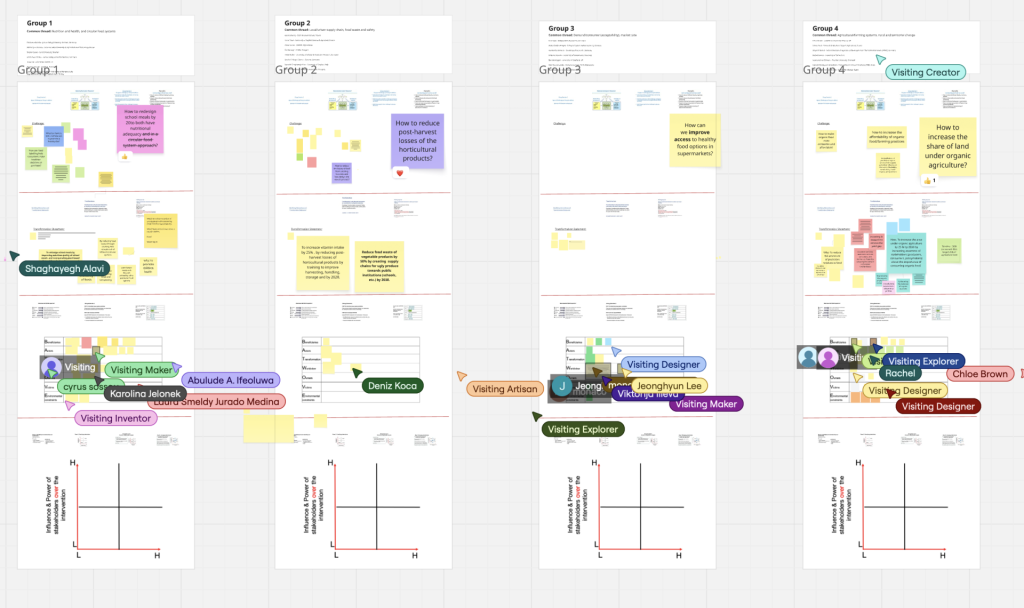
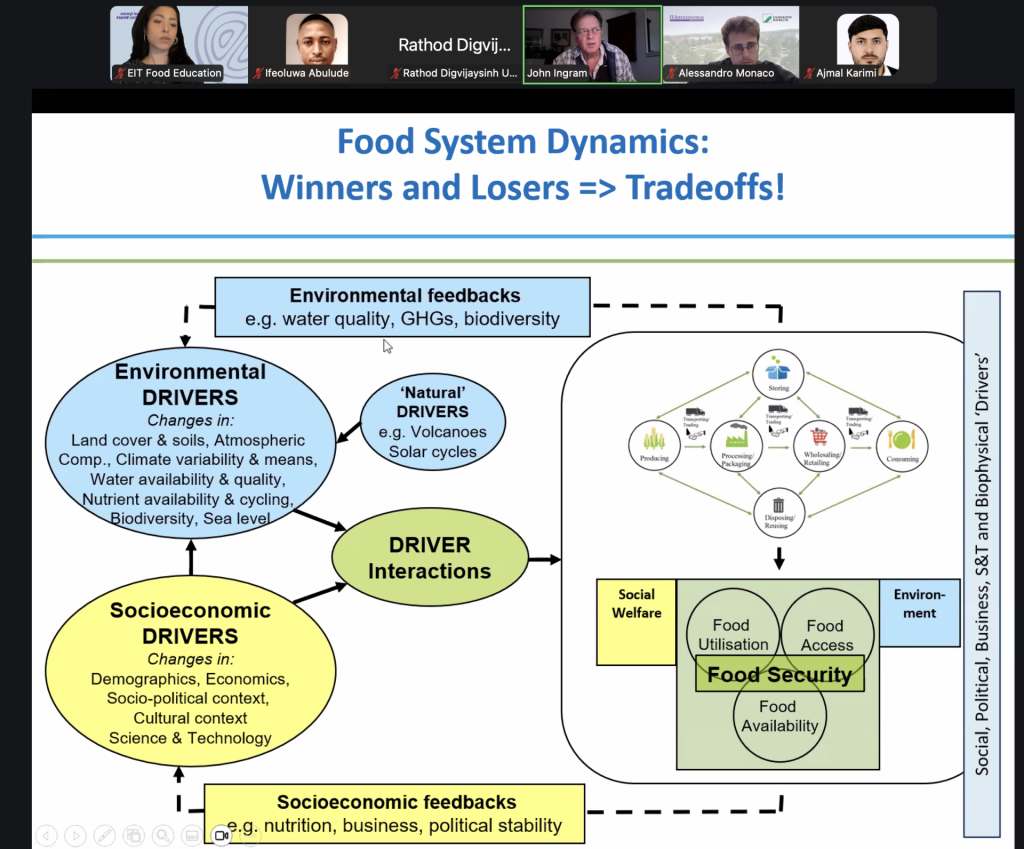
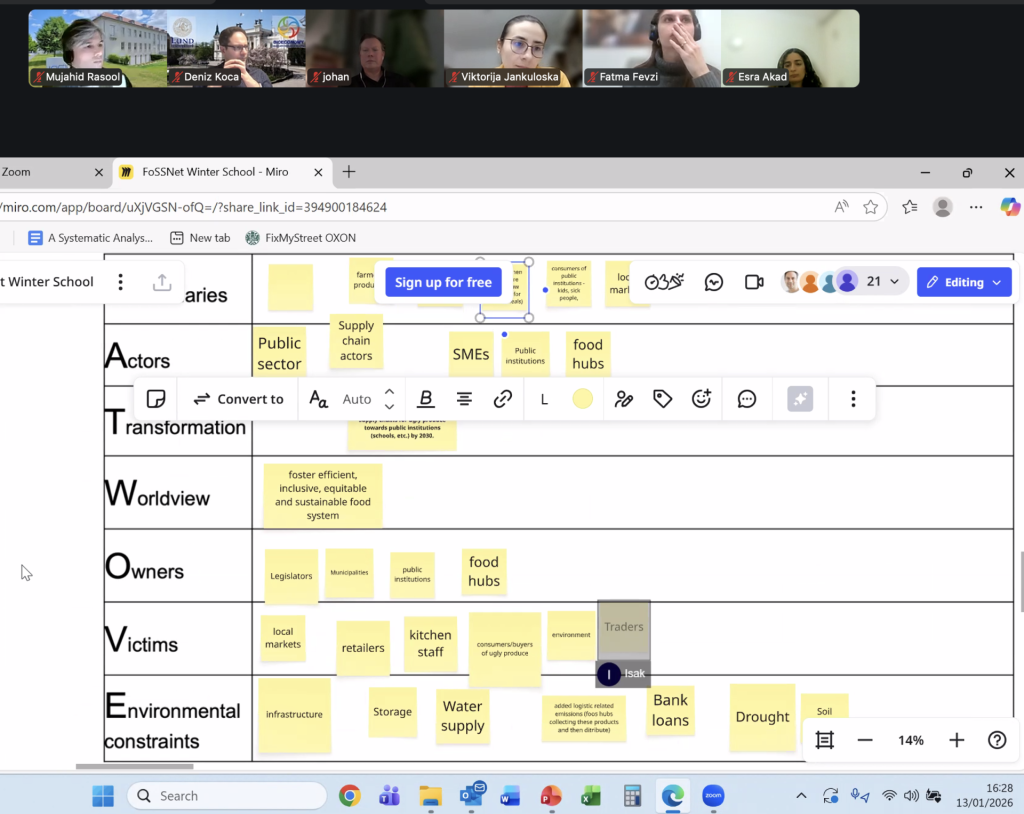
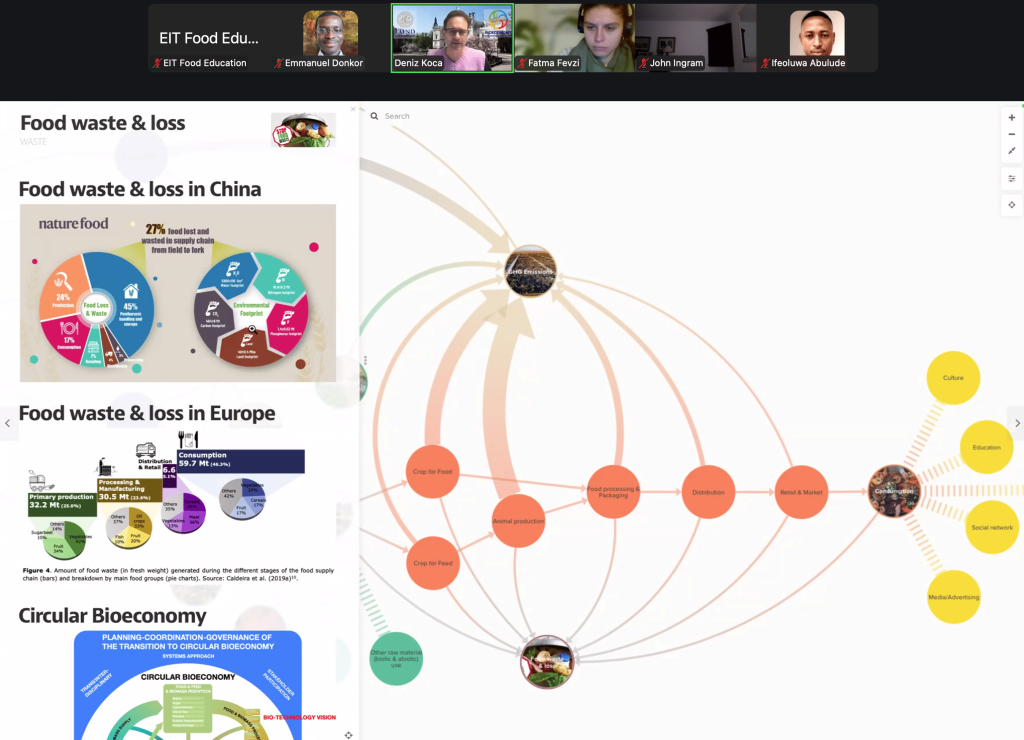
Over three weeks 30 researchers worked through different lenses on food systems transformation. Week one focused on problem framing, moving participants beyond disciplinary silos to examine broader food system networks and identify where their research might fit within them. Week two introduced stakeholder mapping and what pathways exist to translate research into change. The final week brought these strands together through tools like the Research Impact Canvas—a framework that helps researchers articulate how their work might create change by connecting research outputs to specific audiences, pathways, and outcomes. Participants then experimented with presenting their own work to different audiences, receiving feedback from both peers and programme experts.
The teaching relied on soft systems methodology: practical exercises, group work, and structured reflection designed to help participants question their own assumptions and integrate new approaches into their research. This collaborative environment is core for FoSSNet for co-creating skills and methodologies to advance food systems literacy in food system science.
Participants have now completed posters synthesising their learning. Some will present at the next Food Systems Science Conference in Lund, where a series of sessions will focus on how we can advance skills and competences for advancing food systems literacy.
About the programme
The FoSSNet Winter School is part of the Food Systems Science Network (FoSSNet), funded under the EU Horizon Europe programme. The network builds capability in food systems research through new approaches to teaching, learning, and collaboration across disciplines and sectors.
Format: Online
Duration: 12-30 January 2026
Participants: 30 early-career researchers from academia, NGOs, industry, and public sector
Organisers: EIT Food, University of Oxford, Lund University, Roskilde University
Contact: Cecilia.tonelli@eitfood.eu
Subscribe to our newsletter for updates on the next FoSSNet seasonal school!
Other news

October 15, 2026Article
Shaping the Future of Food: Is Europe Ready to Educate the Next Generation of Food Systems Changemakers?
The Systemic Lab is focusing on exploring how pricing and reward guided by True Cost Accounting can help address hidden social and environmental sustainability impacts in the food system.
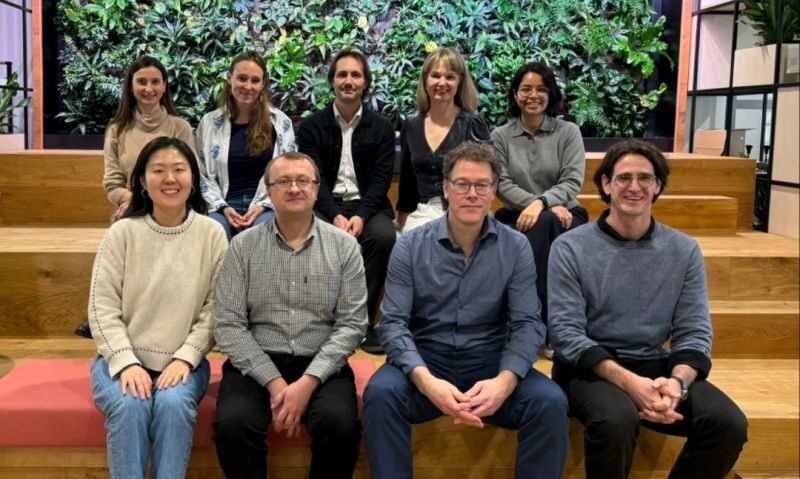
July 16, 2026Article
How True Cost Accounting can inform decision-making in food systems?
The Systemic Lab is focusing on exploring how pricing and reward guided by True Cost Accounting can help address hidden social and environmental sustainability impacts in the food system.
July 7, 2026Article
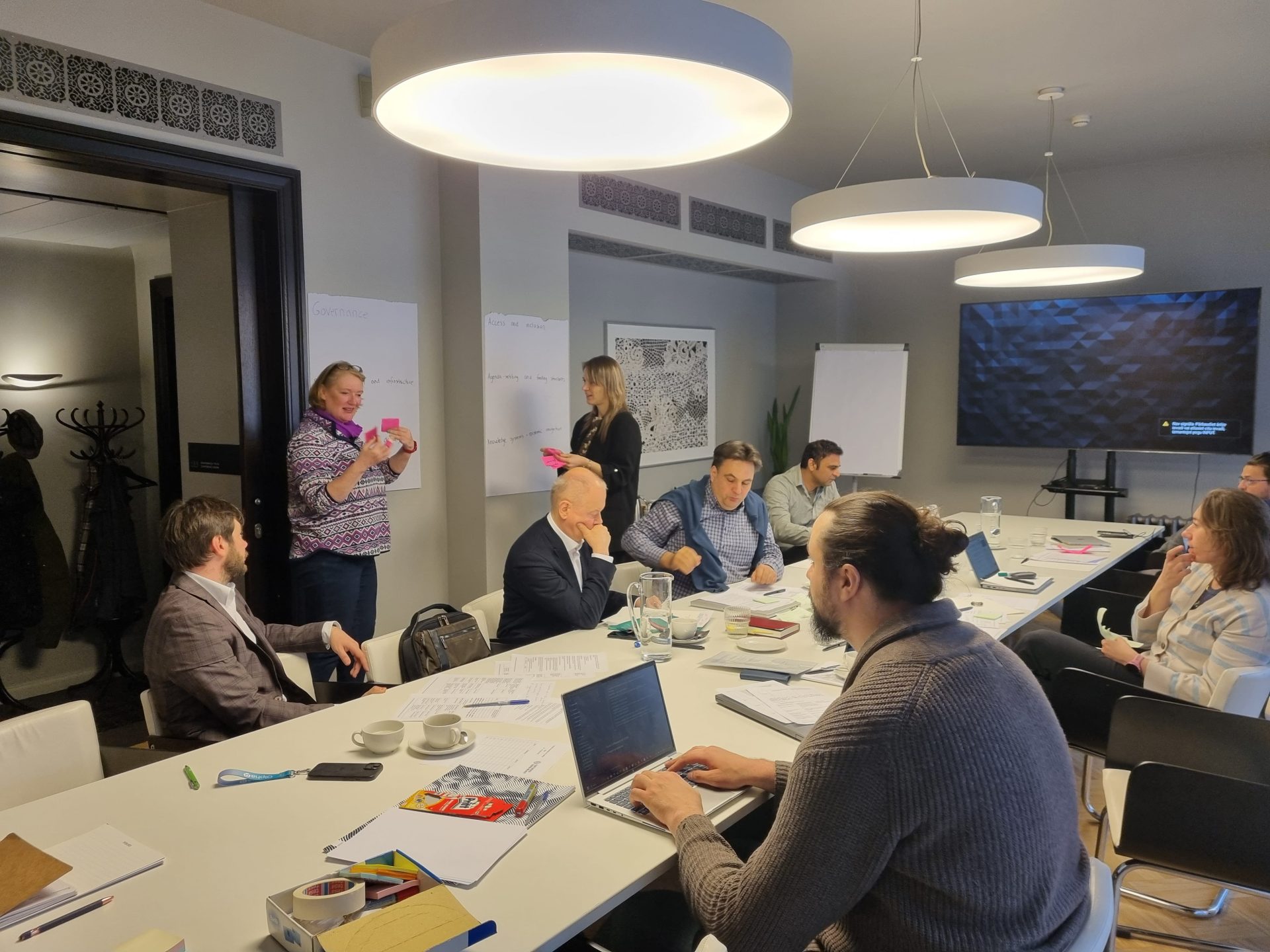
What are the Leverage Points for an Inclusive Food-Oriented Knowledge & Innovation System?
The Riga territorial lab explores how inter- and transdisciplinary collaboration can drive food systems transformations.