
News | 15 October 2026 | Article
Shaping the Future of Food: Is Europe Ready to Educate the Next Generation of Food Systems Changemakers?

We are happy to share a new publication from our colleagues from Lund University.
A new study maps food systems education across Europe, exploring how existing programmes equip learners with the knowledge and skills needed to drive change. The findings reveal a growing diversity of programmes, with a strong emphasis on interdisciplinary, experiential, and real-world learning.
However, challenges remain. Most programmes are offered at Master’s level, while opportunities exist to strengthen inclusion, broaden geographical representation, and better align curricula with the competencies needed for food systems transformation.
Discover the full paper to explore the current landscape of food systems education in Europe, identify key gaps and learn how future curricula can better prepare students and professionals to shape more sustainable and inclusive food systems. As agri-food systems play a central role in society, addressing these hidden costs is critical. Doing so can empower individuals, businesses, governments and communities to recognise challenges, as opportunities for meaningful and lasting change.
Other news
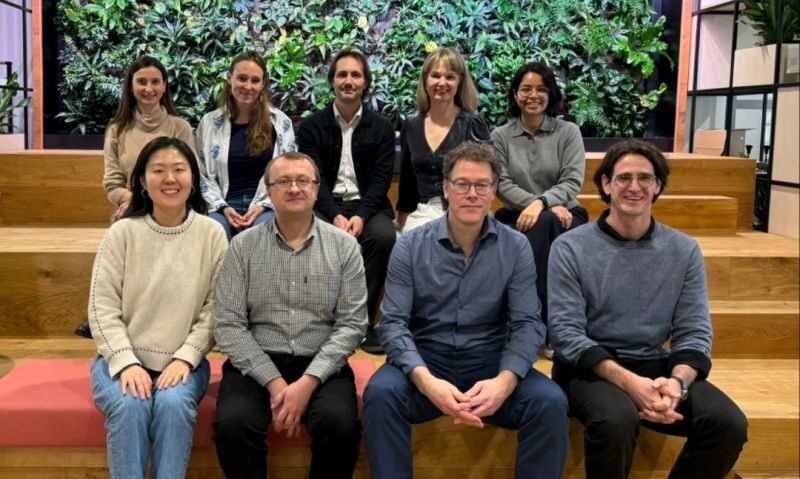
July 16, 2026Article
How True Cost Accounting can inform decision-making in food systems?
The Systemic Lab is focusing on exploring how pricing and reward guided by True Cost Accounting can help address hidden social and environmental sustainability impacts in the food system.
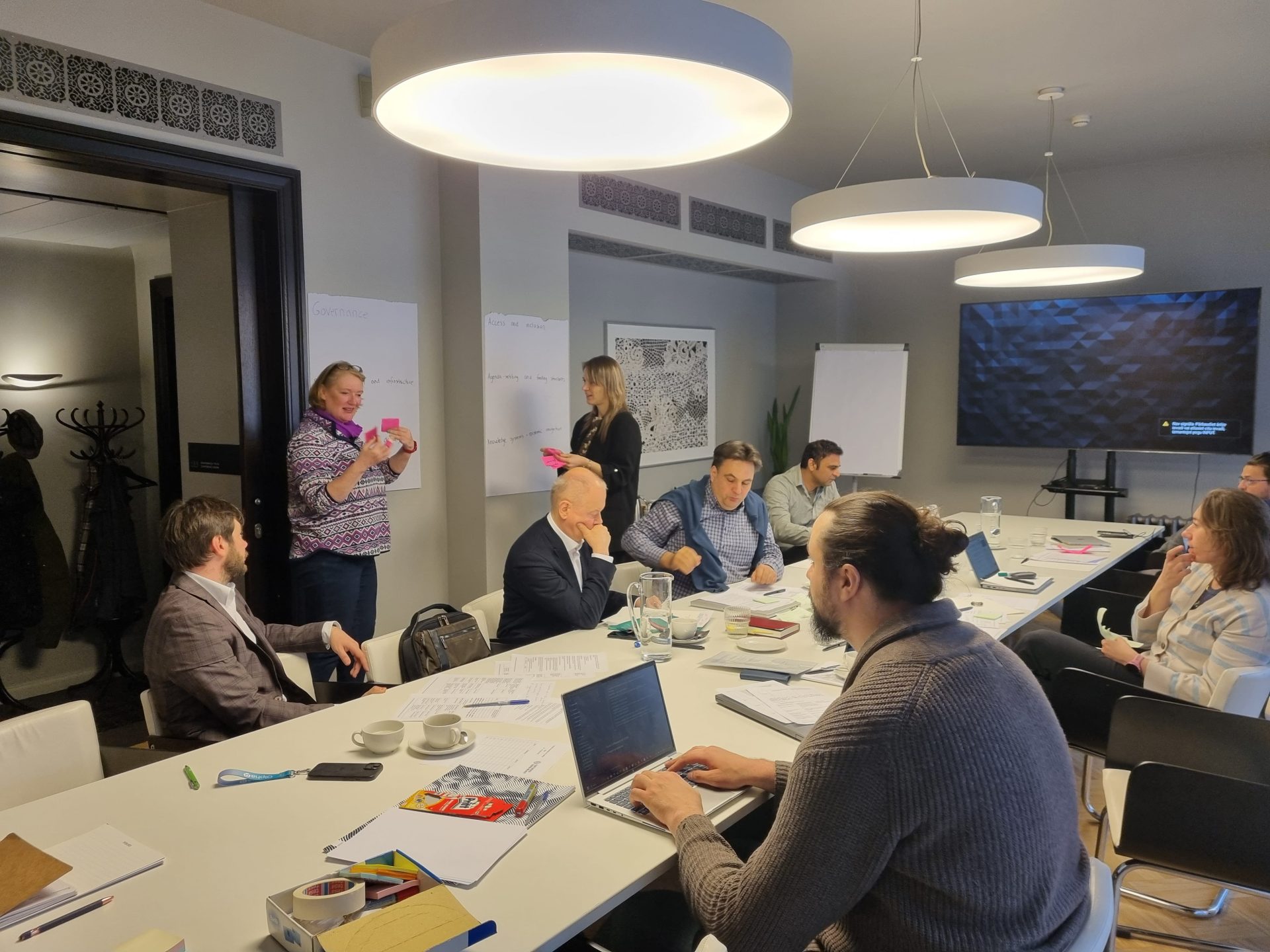
July 7, 2026Article
What are the Leverage Points for an Inclusive Food-Oriented Knowledge & Innovation System?
The Riga territorial lab explores how inter- and transdisciplinary collaboration can drive food systems transformations.
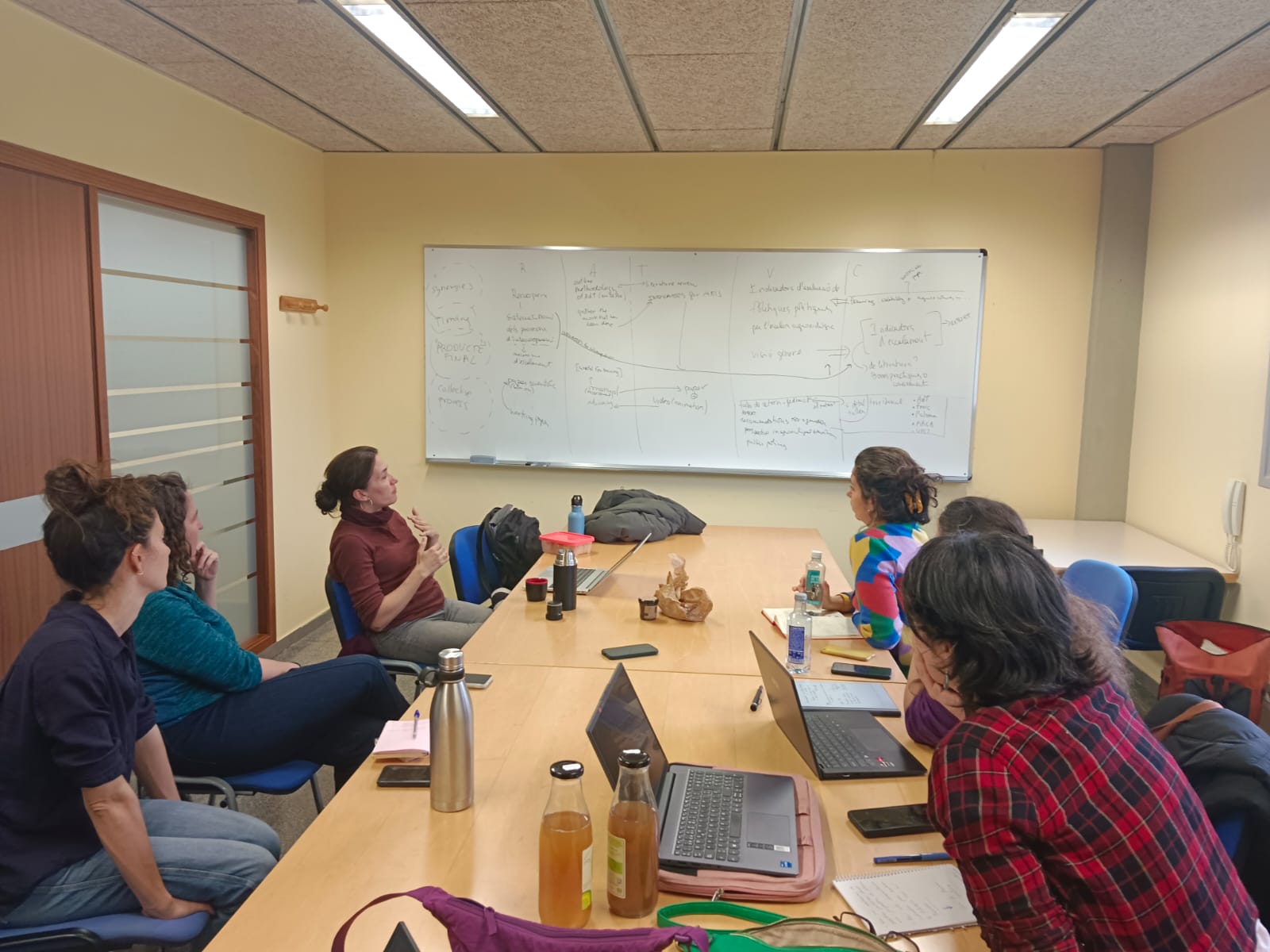
July 7, 2026Article
How to approach Agroecological Initiatives for Food Systems Transformation?
The Catalan Territorial Lab is actively involved in exploring the Scalability of Agroecological Initiatives for Food Systems Transformation.